Courses Offered at SIU
Teaching Philosophy
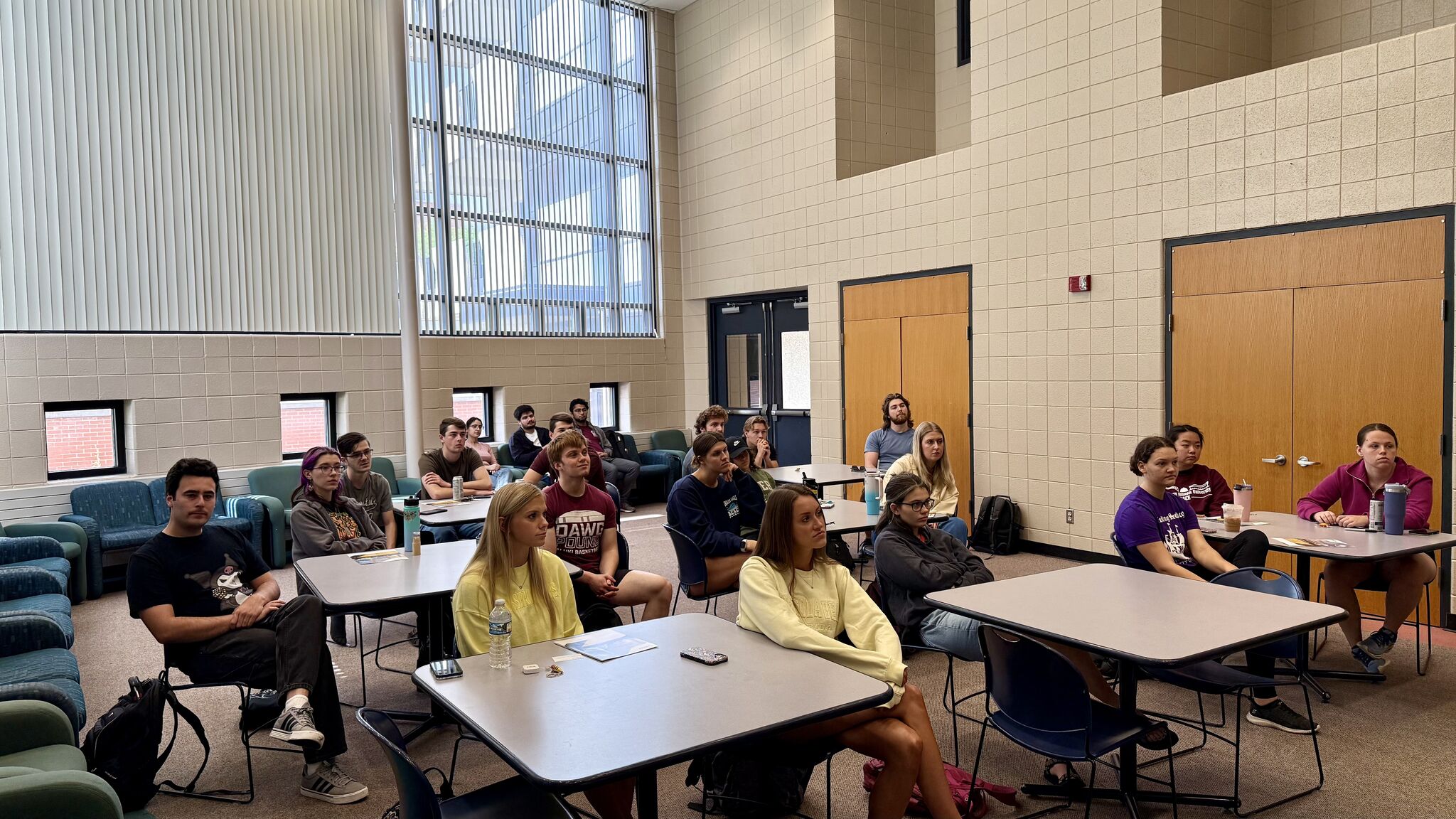
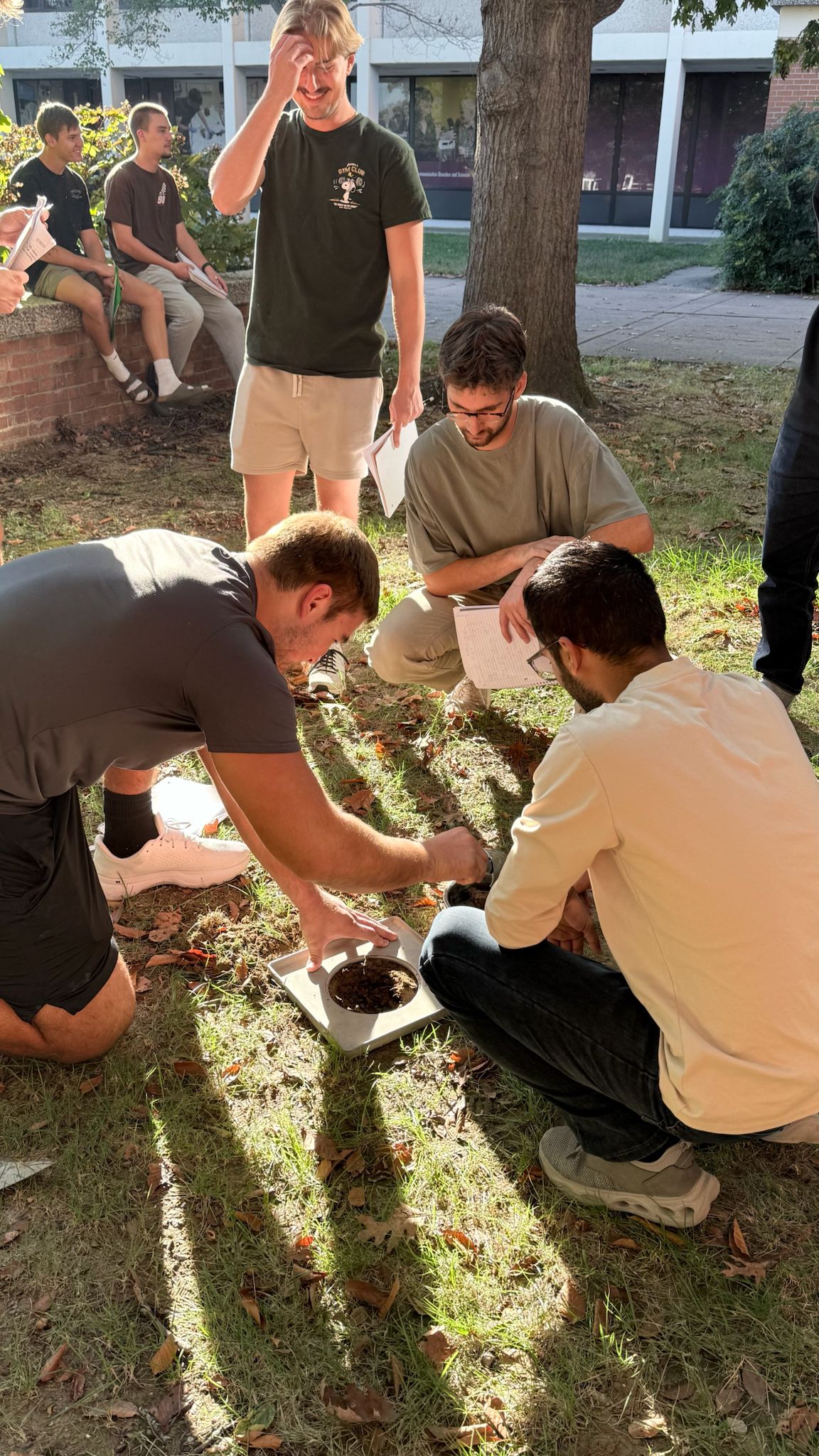
My teaching philosophy emphasizes a student-centered environment that fosters critical thinking, problem-solving, and collaboration. I aim to connect theory to real-world engineering applications, preparing students for leadership roles in the field. My approach includes hands-on projects, multimedia resources, and open discussions to enhance engagement and understanding.
I am committed to fostering an inclusive and supportive classroom, encouraging diversity, equity, and practical learning experiences. Ultimately, I strive to equip students with the skills needed for success in both industry and academia.
| Course | Times taught | Semesters |
|---|---|---|
| CE 320Soil Mechanics | 3 | Fall 2024Fall 2025Fall 2026 |
| CE 320LSoil Mechanics Laboratory | 3 | Fall 2024Fall 2025Fall 2026 |
| CE 421Foundation Design | 2 | Spring 2025Spring 2026 |
| CE 520Advanced Soil Mechanics | 1 | Fall 2025 |
| CE 528Numerical Methods in Civil Engineering | 1 | Spring 2026 |
| CE 534Computational Geotechnics | 1 | Fall 2026 |
Fall 2026 Current
Soil Mechanics
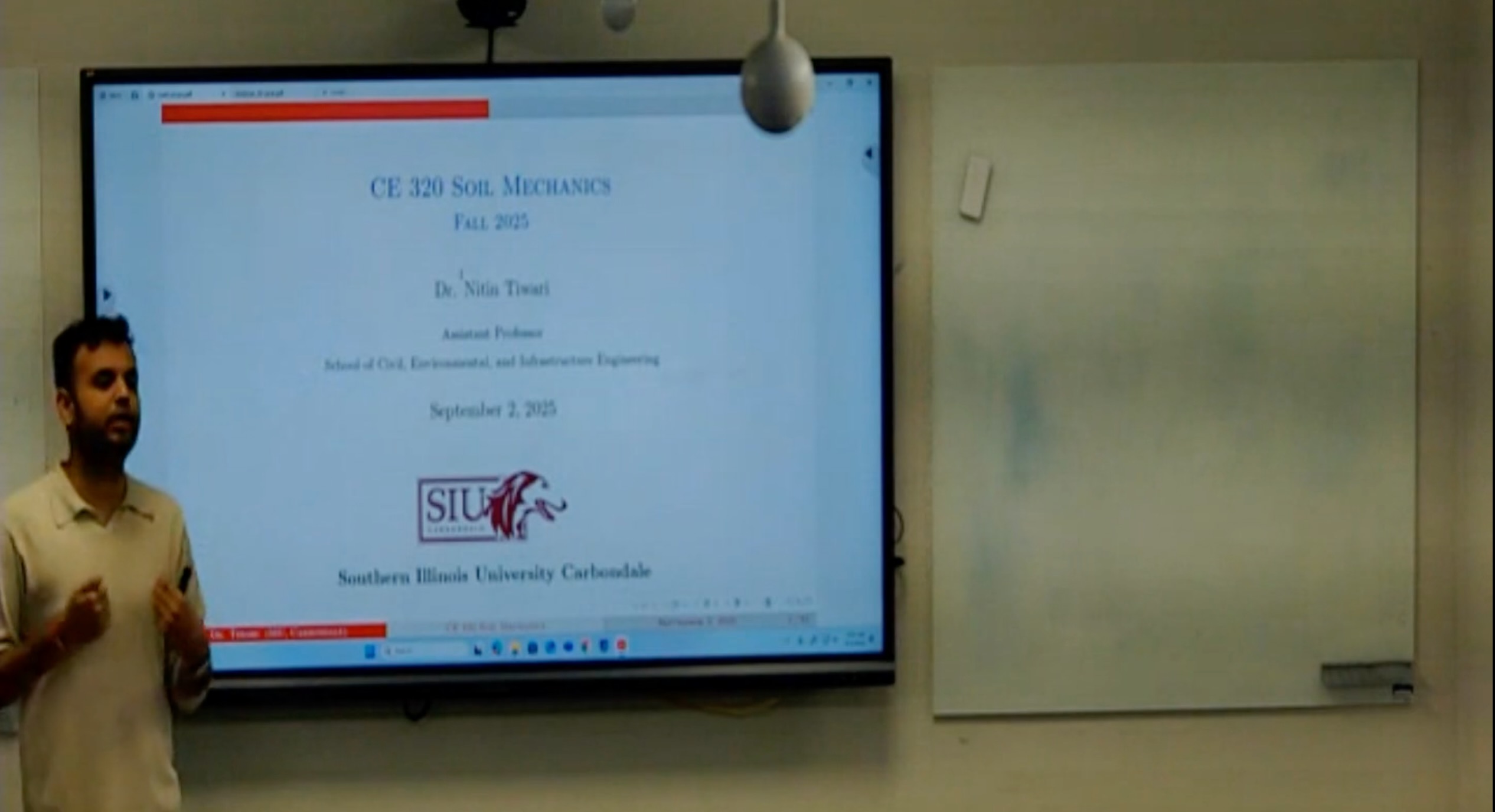
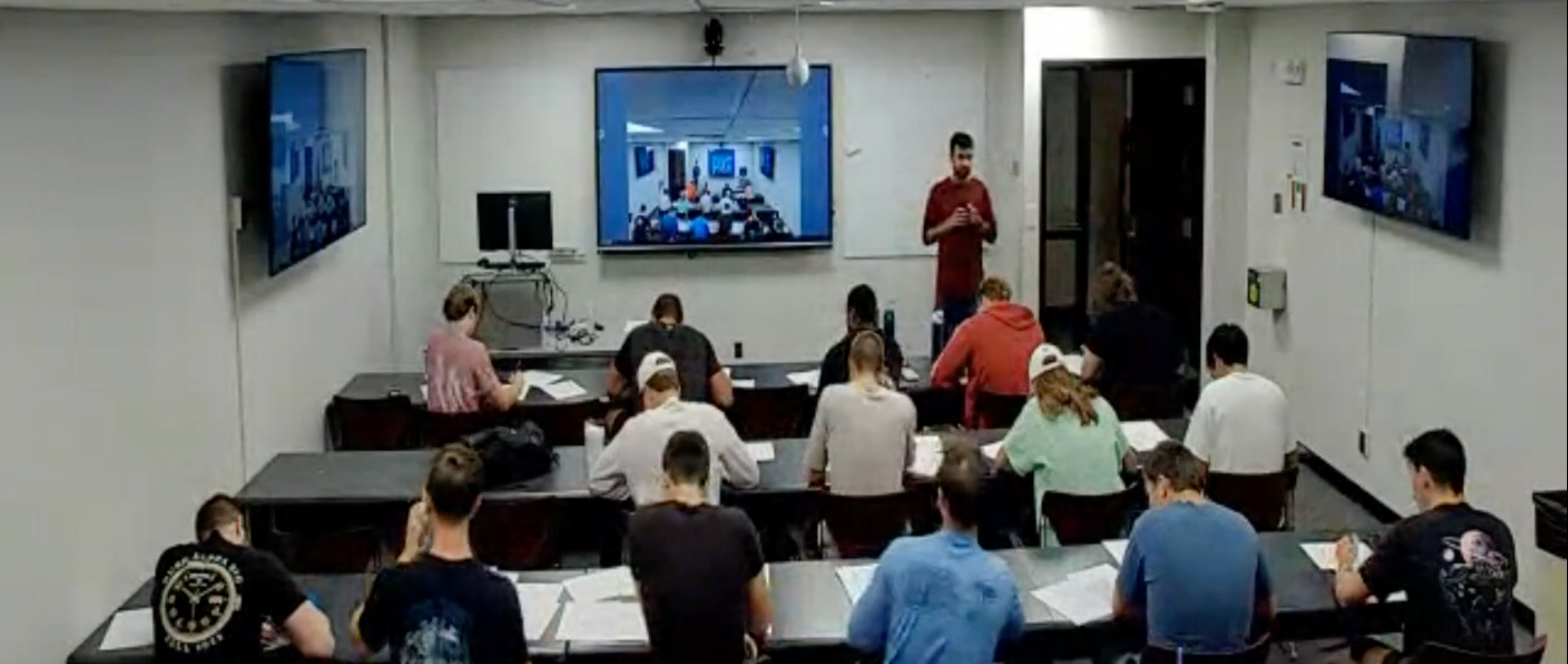
Undergraduate 3 credit hours TAs Bijay Nepal, Safal SubediExplore the fundamental principles of soil mechanics, including soil’s physical and mechanical properties, soil classification, and flow through soils. Topics include effective stress, consolidation, shear strength, and soil compaction. By the end of this course, students can analyze and solve fundamental soil mechanics problems and apply them to practical engineering scenarios.
Flex Card Checker TA use onlySoil Mechanics Laboratory
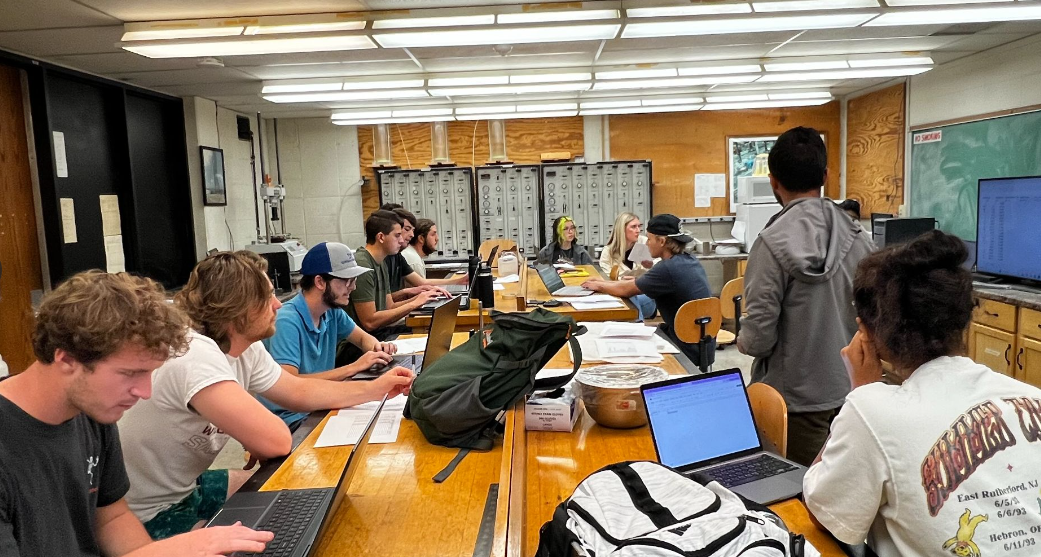
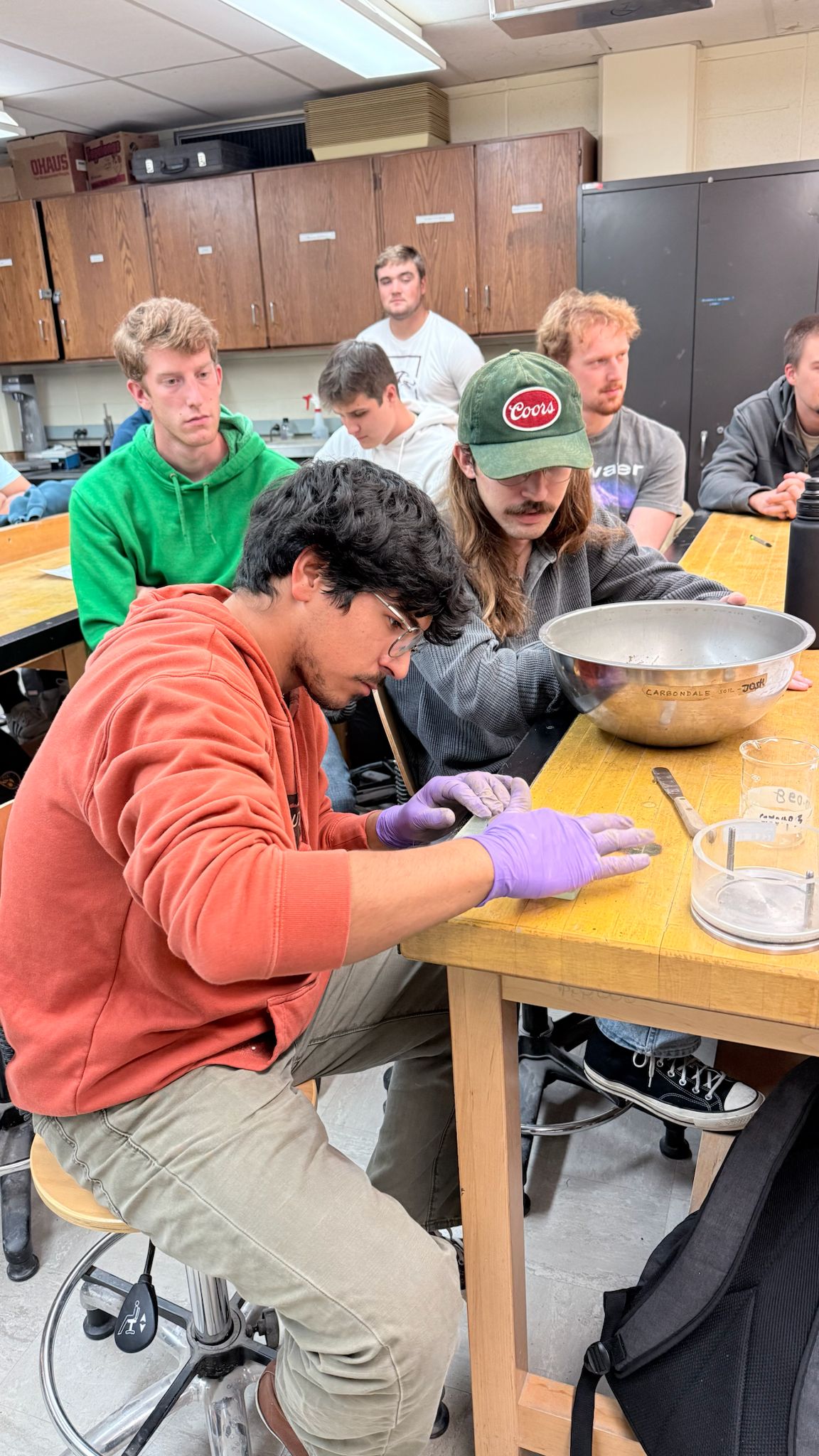
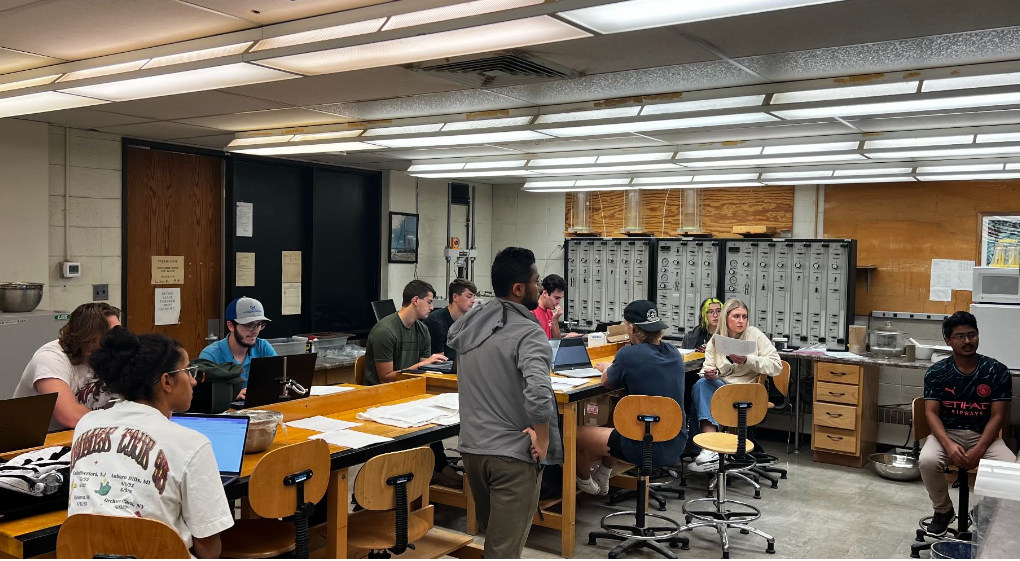
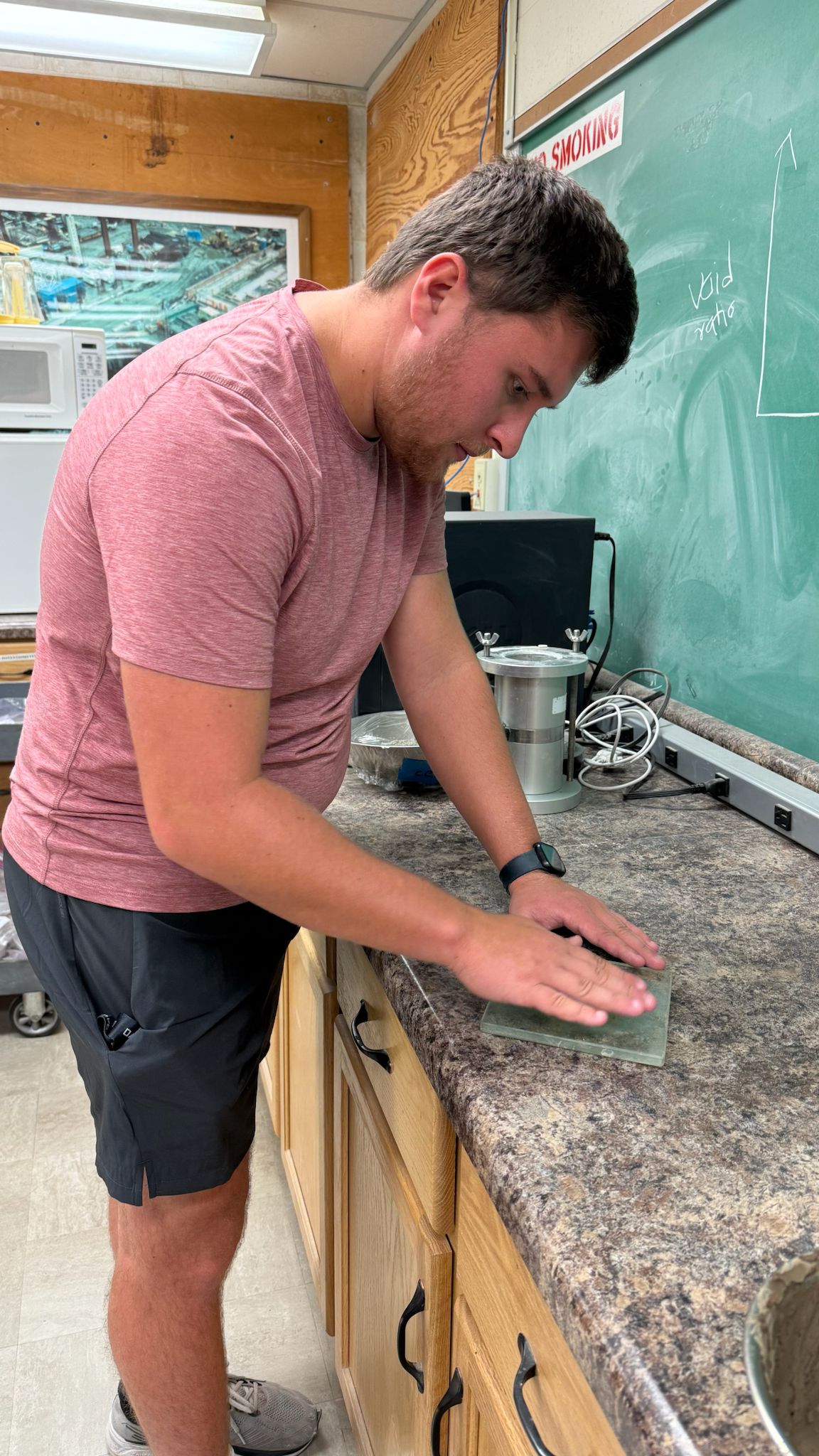
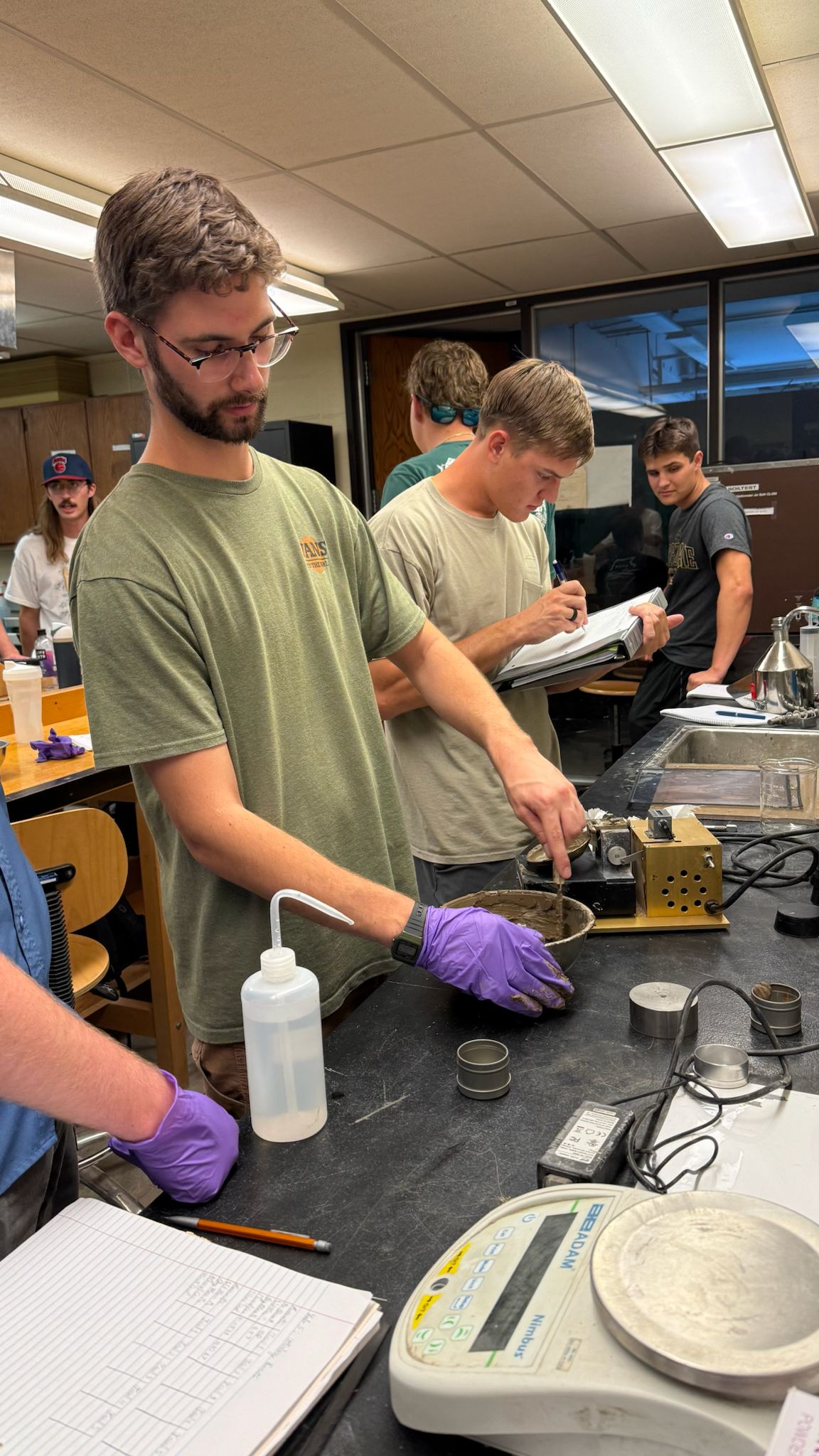
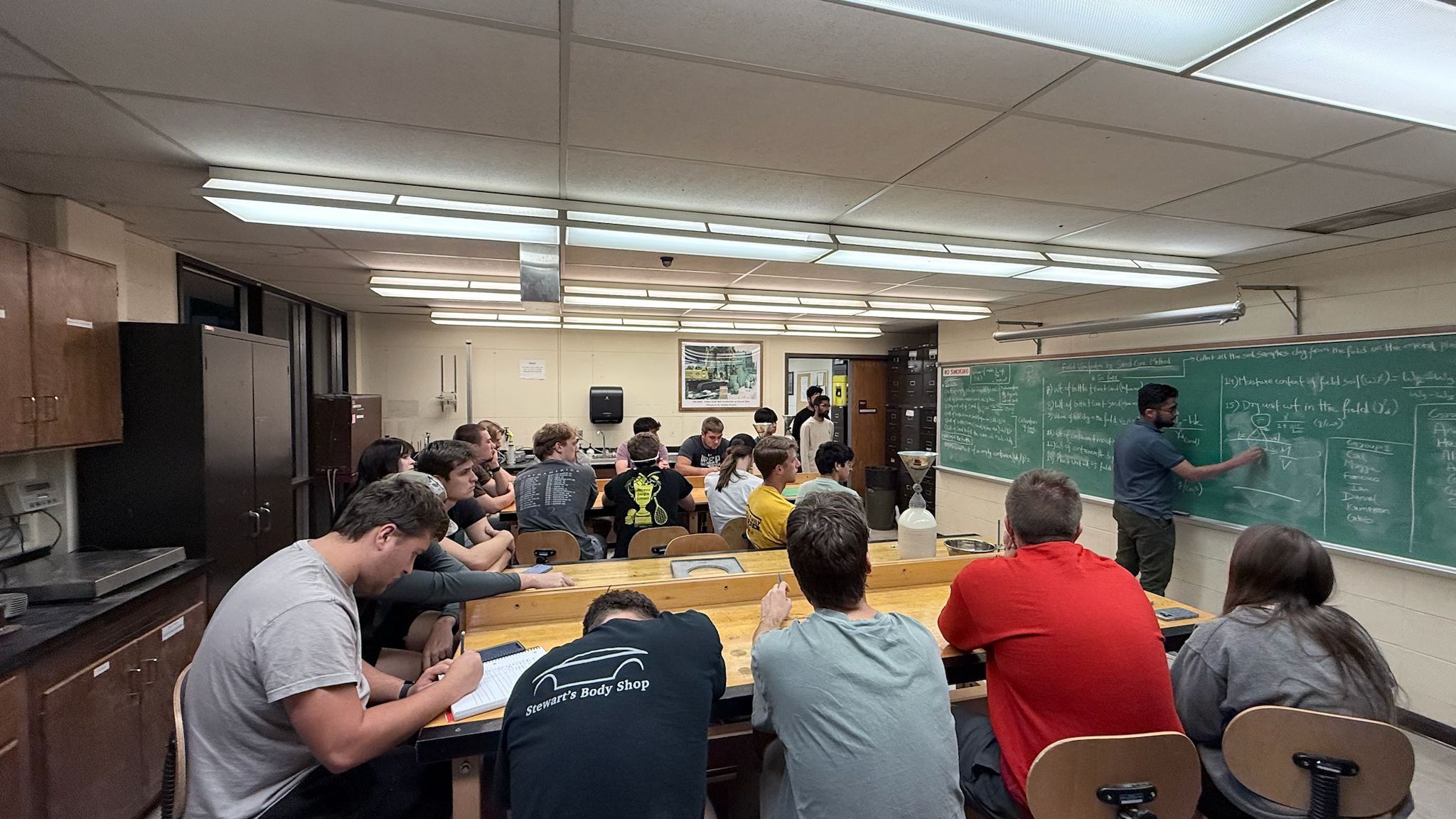
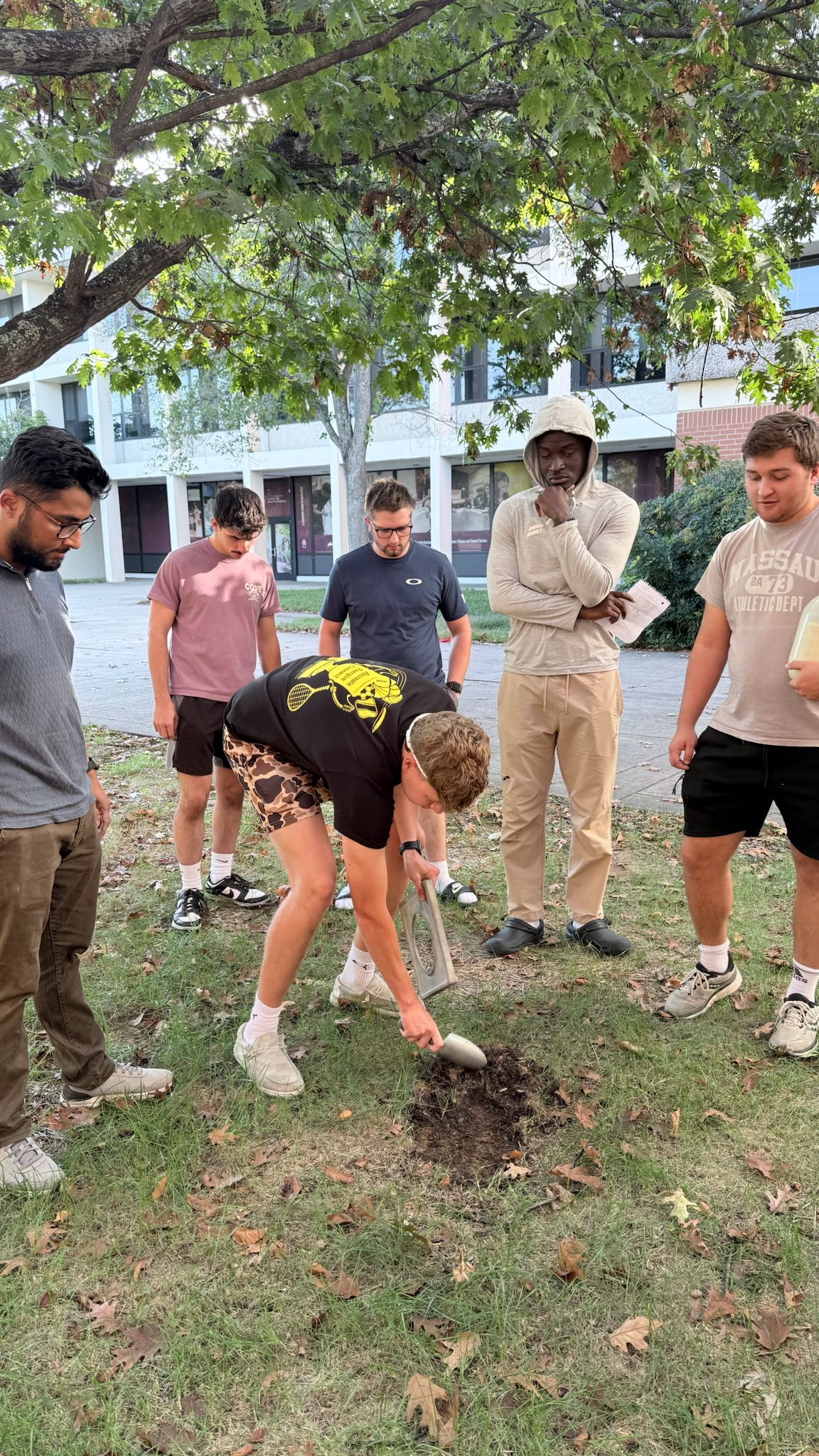
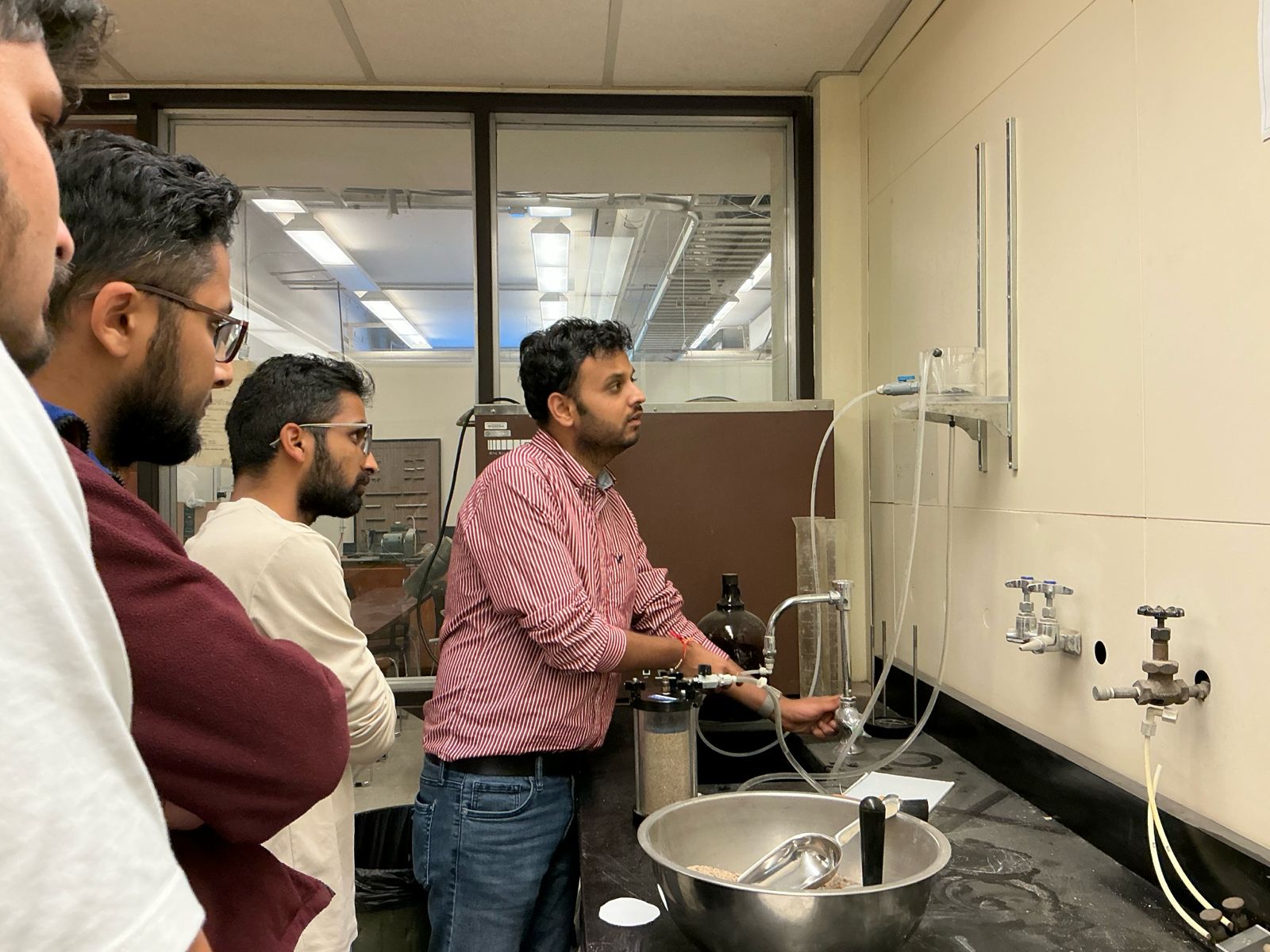
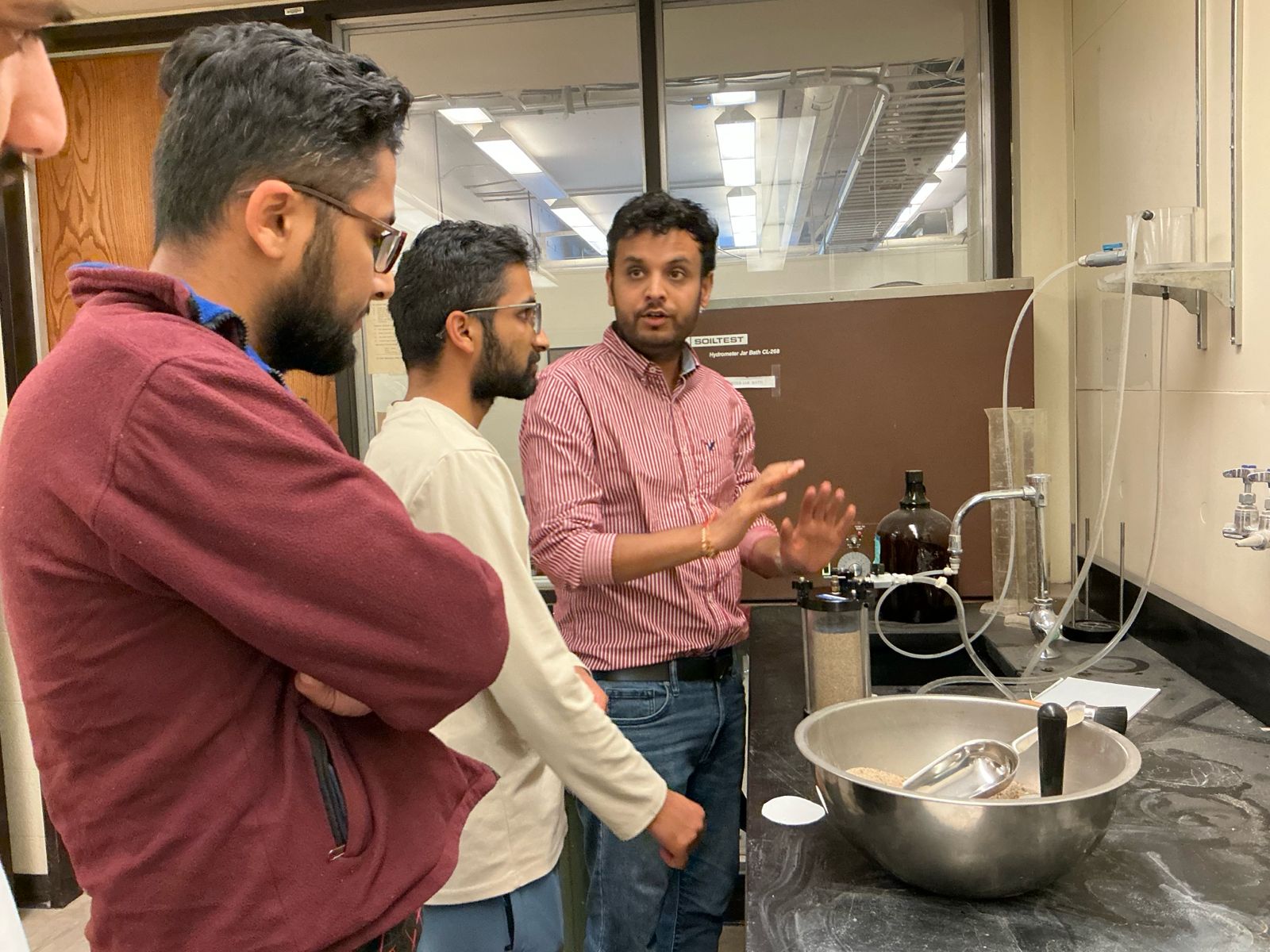
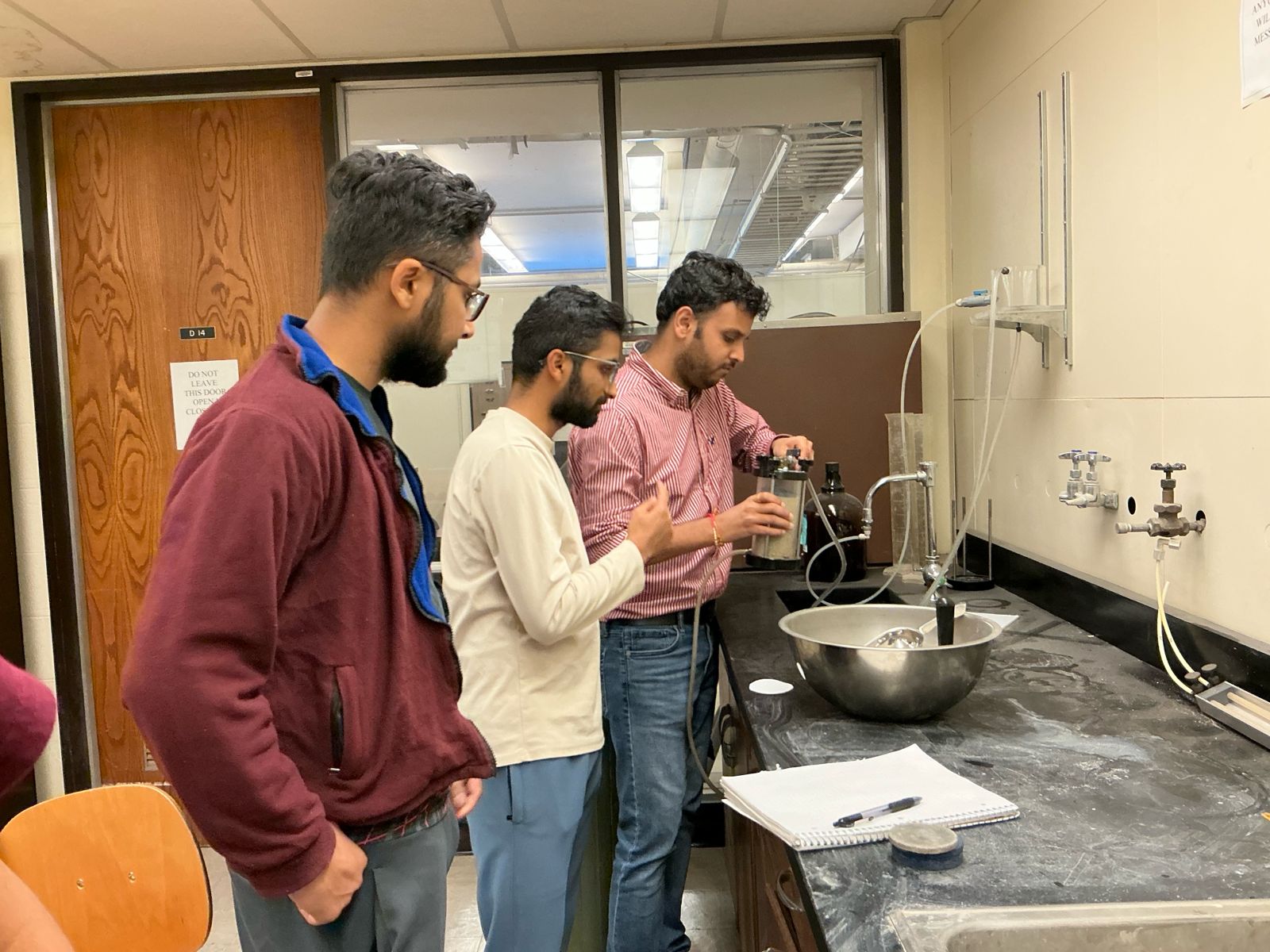
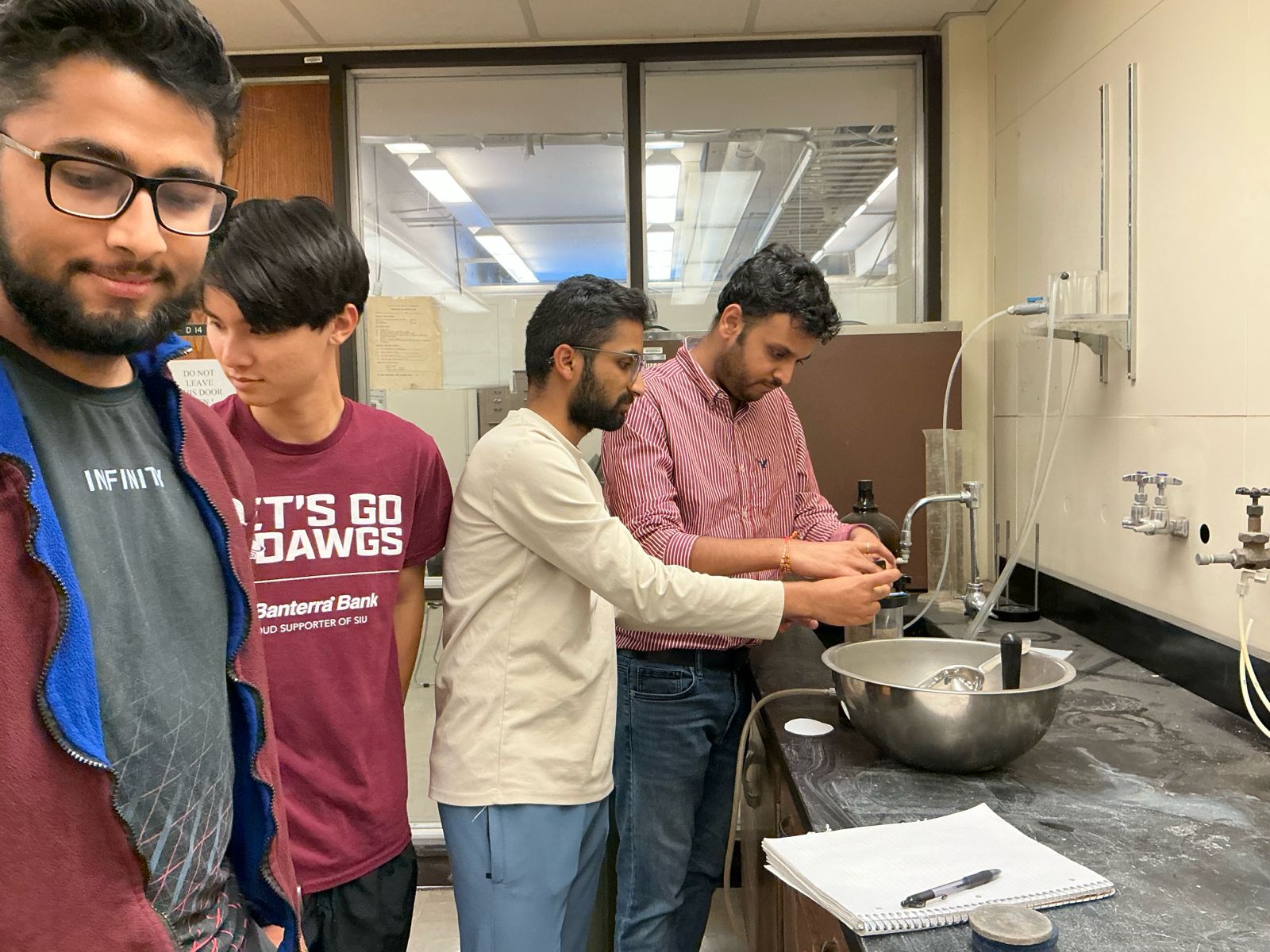
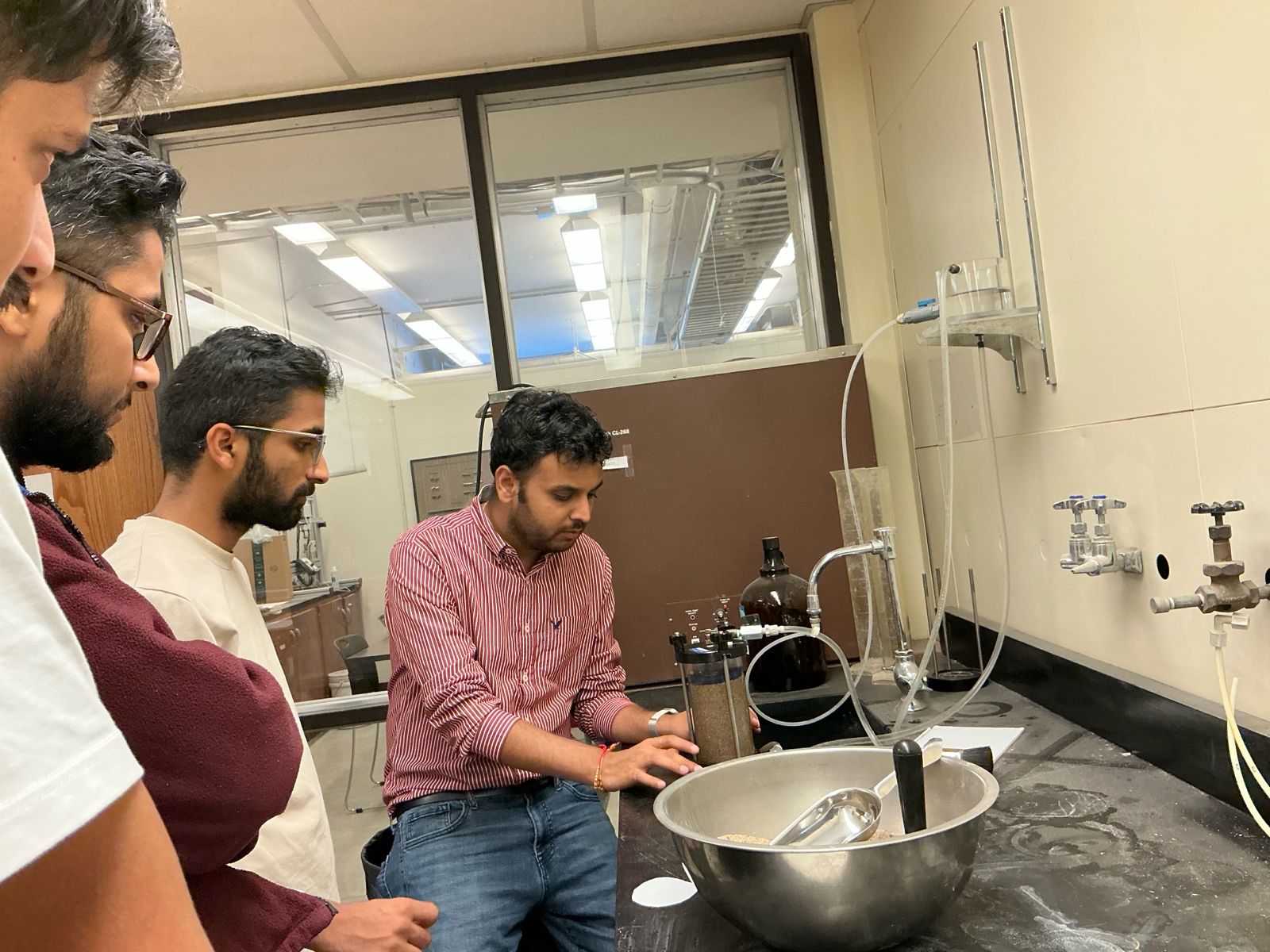
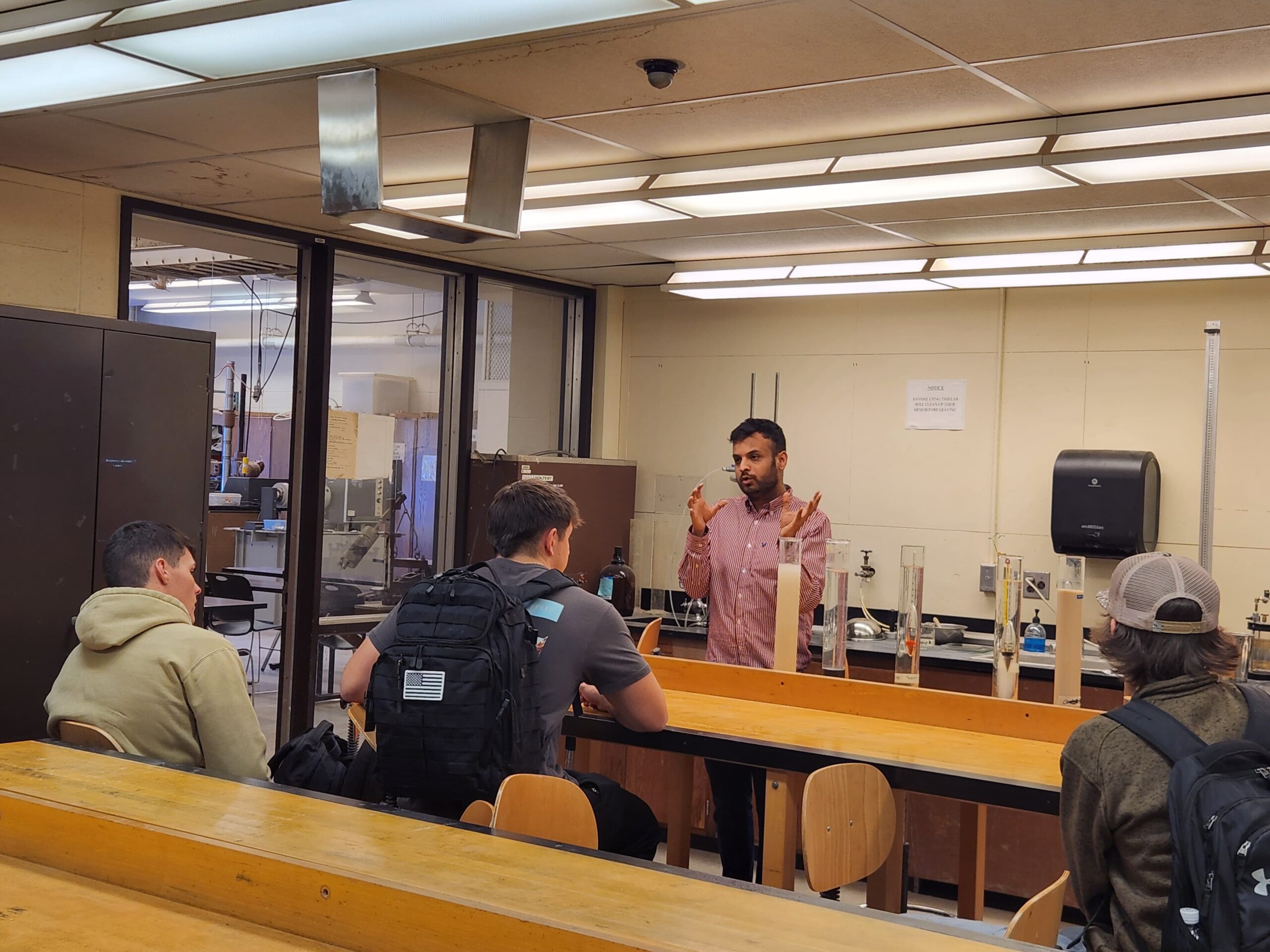
Undergraduate Laboratory TAs Bijay Nepal, Safal SubediThe Soil Mechanics Laboratory gives students hands-on experience with fundamental soil mechanics principles through laboratory exercises. It complements the theoretical material from lecture by offering practical applications and experiments.
Flex Card Checker TA use onlyComputational Geotechnics
Graduate 3 credit hoursThis course develops the numerical methods used to model soil and rock behavior, from continuum formulations to discrete particle approaches. Students work through constitutive modeling, finite element analysis of geotechnical boundary value problems, and discrete element simulation of granular media. Emphasis is placed on model selection, parameter calibration against laboratory data, and the interpretation and verification of simulation results rather than on software operation alone.
Spring 2026
Foundation Design
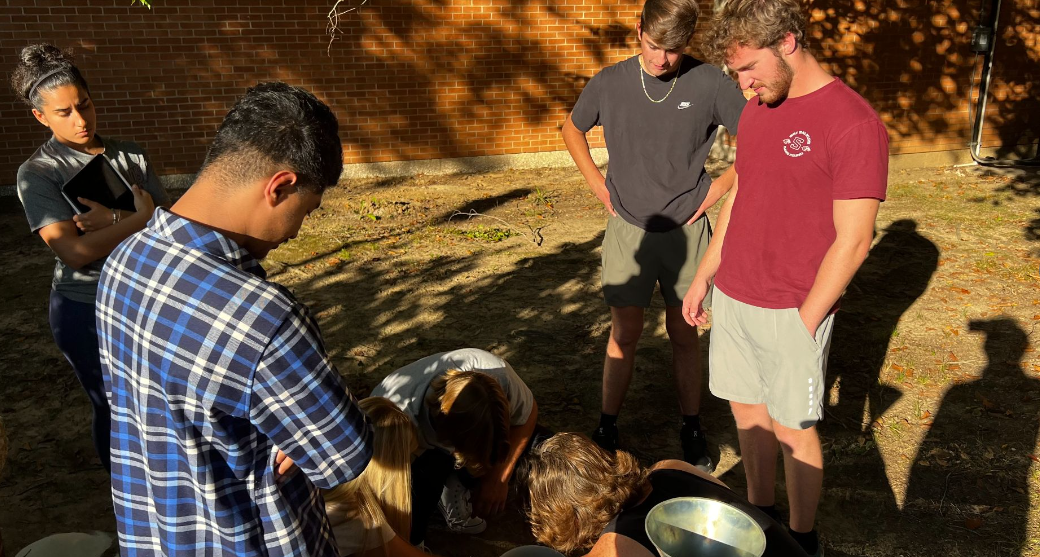
Undergraduate TA Bijay NepalStudents apply soil mechanics principles to foundation design, focusing on subsurface exploration, bearing capacity, and settlement analysis of shallow foundations. Topics include lateral earth pressures, retaining wall design, and the capacity and settlement of pile foundations under vertical axial loads. By the end of the course, students have a practical understanding of foundation design for a range of structural applications.
Numerical Methods in Civil Engineering
GraduateCE 528 introduces fundamental and advanced numerical methods used in civil engineering, covering finite difference, finite element, and optimization techniques. The course spans equation solving, matrix computations, and numerical modeling of dynamic and geotechnical problems, with applications across structures, fluids, and transportation systems. Students gain hands-on experience with tools such as MATLAB, Python, ANSYS, PLAXIS, SAP2000, and OpenSees, while developing skills in calibration, validation, and simulation of real-world engineering scenarios. Balancing theory with implementation, the course places significant emphasis on geotechnical applications while maintaining breadth across civil engineering disciplines.
Fall 2025
Soil Mechanics
Undergraduate TA Subin RimalExplore the fundamental principles of soil mechanics, including soil’s physical and mechanical properties, soil classification, and flow through soils. Topics include effective stress, consolidation, shear strength, and soil compaction. By the end of this course, students can analyze and solve fundamental soil mechanics problems and apply them to practical engineering scenarios.
Soil Mechanics Laboratory
Undergraduate Laboratory TAs Mukul Bhattarai, Bijay NepalThe Soil Mechanics Laboratory gives students hands-on experience with fundamental soil mechanics principles through laboratory exercises. It complements the theoretical material from lecture by offering practical applications and experiments.
Advanced Soil Mechanics
GraduateThis course presents an advanced treatment of soil mechanics with emphasis on the nature of soil and effective stress principles. It covers permeability and seepage, stress–strain–strength behavior of granular and fine soils, and consolidation theory with settlement analysis.
Spring 2025
Foundation Design
Undergraduate TA Subin RimalStudents apply soil mechanics principles to foundation design, focusing on subsurface exploration, bearing capacity, and settlement analysis of shallow foundations. Topics include lateral earth pressures, retaining wall design, and the capacity and settlement of pile foundations under vertical axial loads. By the end of the course, students have a practical understanding of foundation design for a range of structural applications.
Fall 2024
Soil Mechanics
Undergraduate TAs Sudarshan Shrestha, Mukul BhattaraiThis course explores soil’s physical and mechanical properties, classification, and flow through soils. It introduces effective stress, consolidation, shear strength, and soil compaction for solving fundamental soil mechanics problems.
Soil Mechanics Laboratory
Undergraduate Laboratory TAs Sudarshan Shrestha, Mukul BhattaraiDesigned to give students hands-on experience in soil mechanics through practical laboratory exercises, connecting theoretical knowledge with real-world applications through experiments.